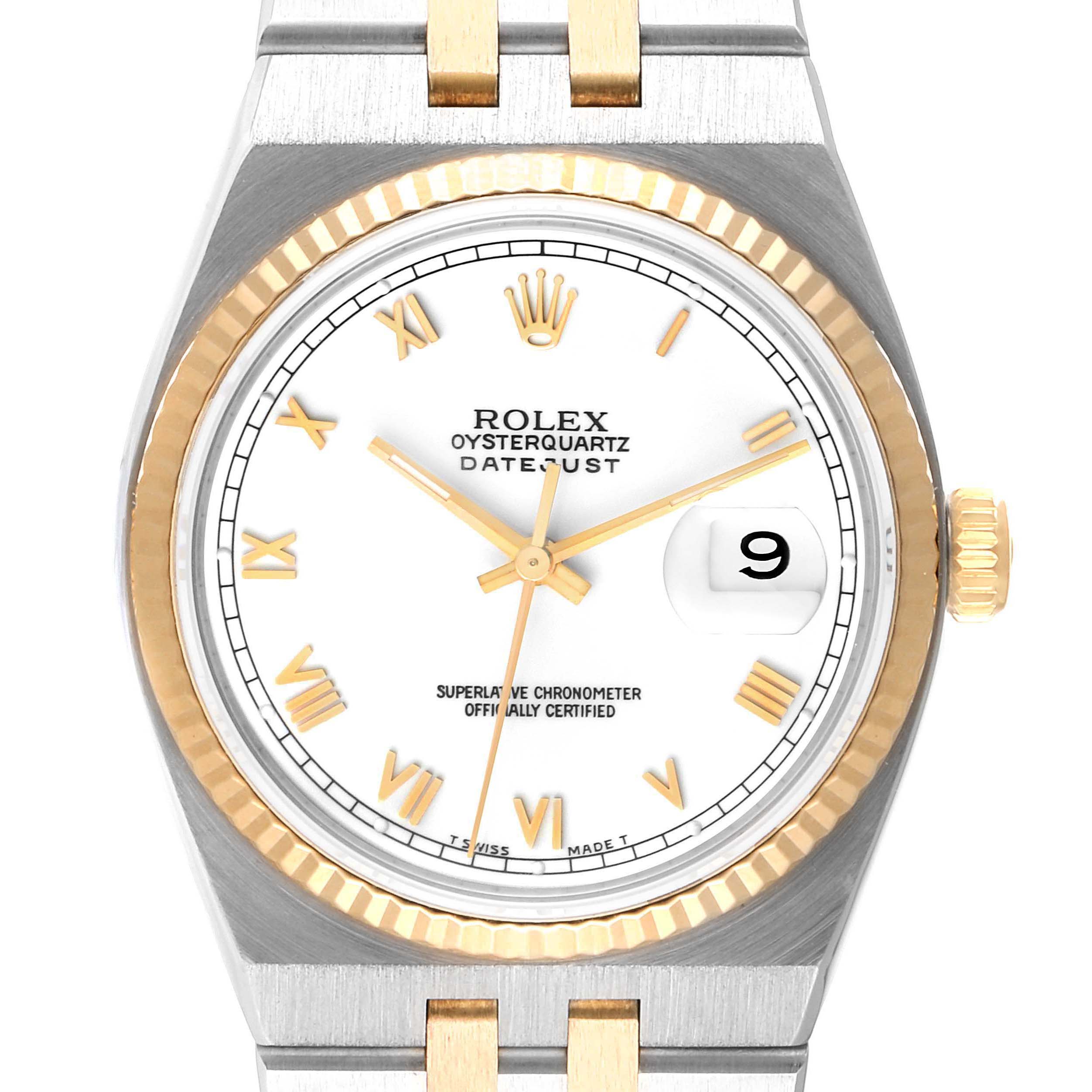
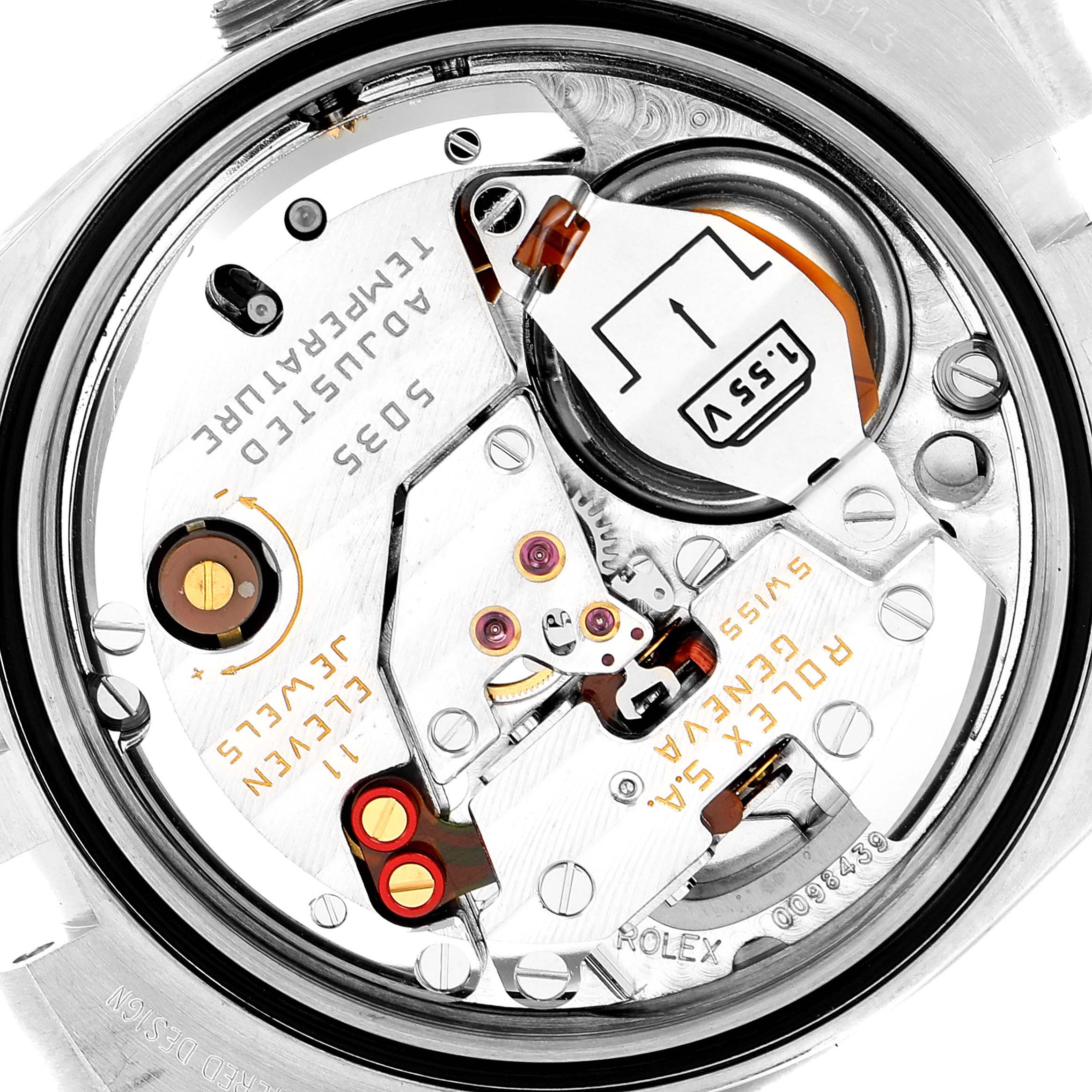
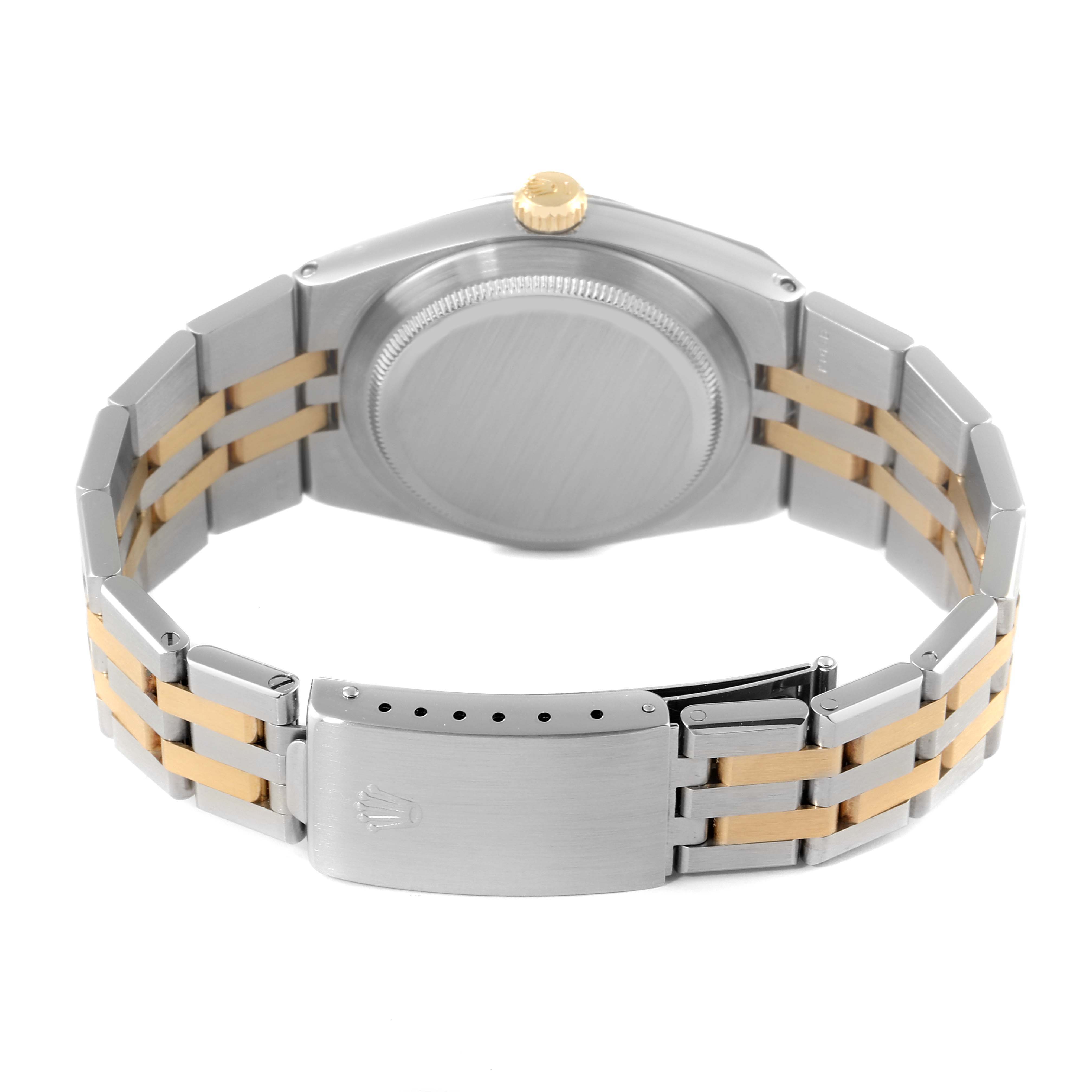
For those awaiting the perfect moment to acquire their next luxury watch, the time is now. Our Memorial Day watch selection is meticulously curated, featuring a range of patriotic-themed watches. Every watch in this collection comes with a complimentary Watch CSA Certificate of Authenticity if purchased between May 23, 2024, and May 27, 2024. 
Across the nation, many individuals pay tribute to fallen heroes by donning colors of red, white, and blue. For replica watch aficionados, this often extends to adorning their wrists with watches that echo these patriotic hues. Renowned brands like Rolex, OMEGA, Tudor, and Patek Philippe have introduced captivating watches over the years, featuring vibrant dial and bezel combinations that resonate with the spirit of the flag. Here, we present a selection of our top picks for patriotic watches.
Panerai Luminor GMT: Honoring Military Heritage
The Panerai Luminor GMT boasts a rich military history, originally conceived for the Italian Navy during the 1930s and 1940s. Crafted to meet the rigorous demands of military divers, its design prioritizes visibility, durability, and water resistance. The watch’s robust construction, highlighted by its distinctive crown-protecting bridge, ensures reliability even in the harshest conditions. With its GMT function enabling tracking across multiple time zones, it proves indispensable for military operations.
The significance of the Panerai Luminor GMT to Memorial Day lies in its embodiment of the values celebrated on this solemn occasion. Memorial Day serves as a tribute to the bravery and sacrifice of military personnel who have served their country with unwavering dedication. The Luminor GMT, thus, stands as a symbol of courage and endurance, honoring the legacy of service members. Wearing this watch on Memorial Day becomes a poignant gesture, commemorating the sacrifices made in defense of freedom.
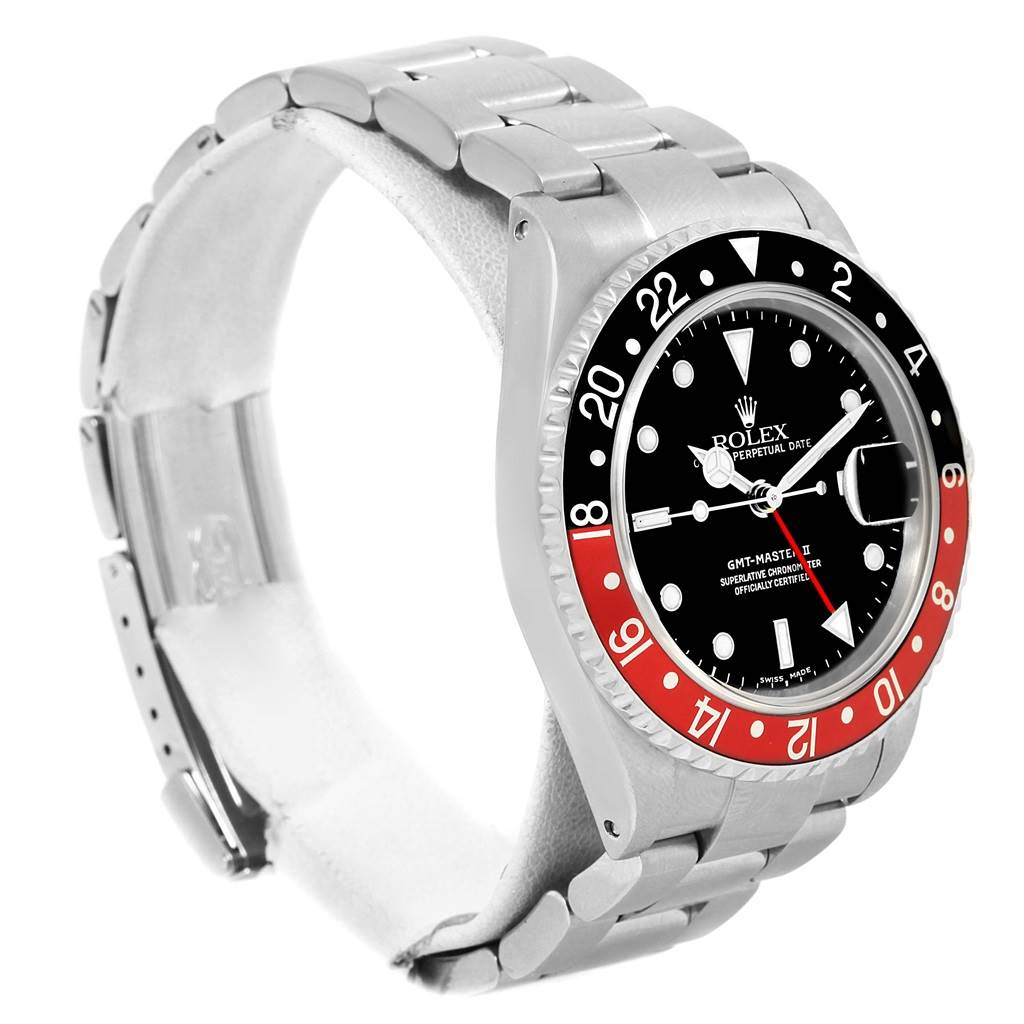
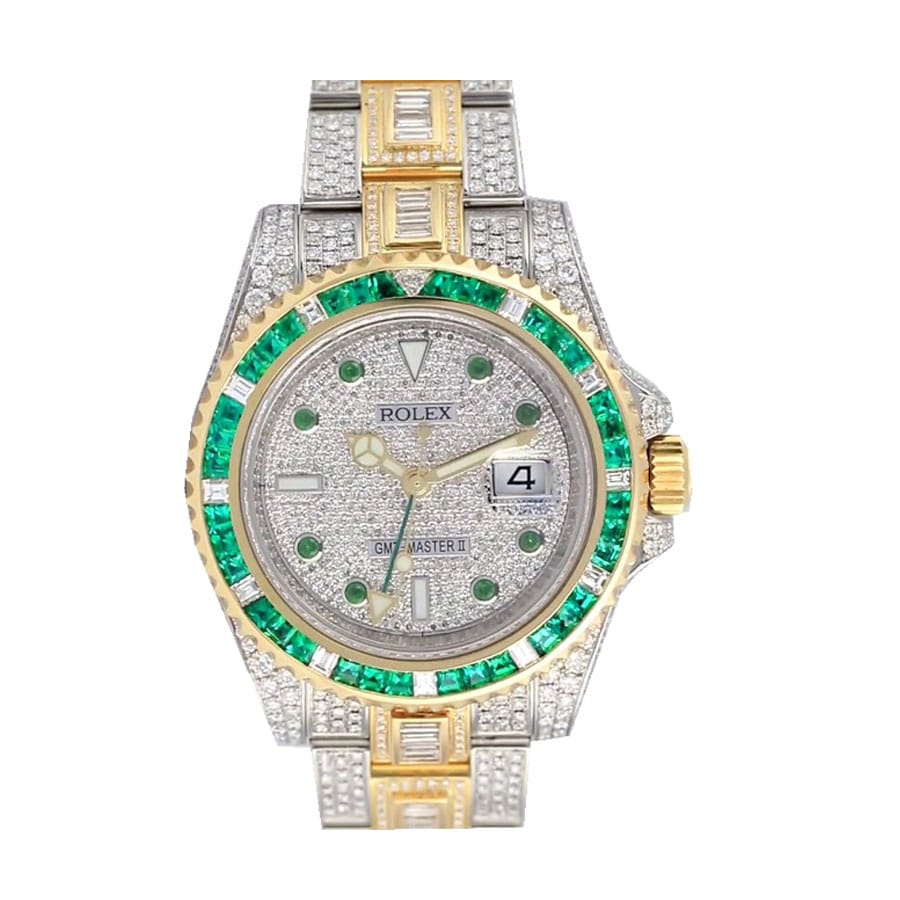
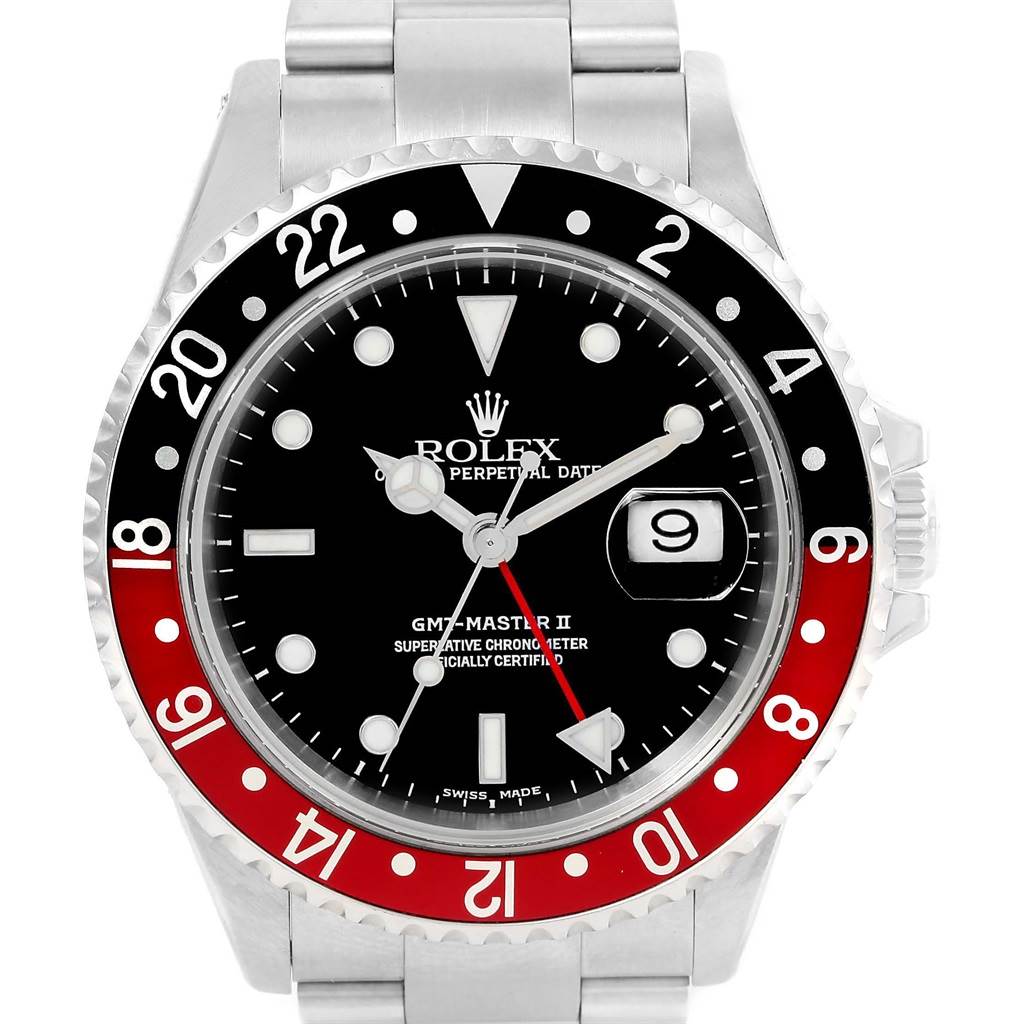
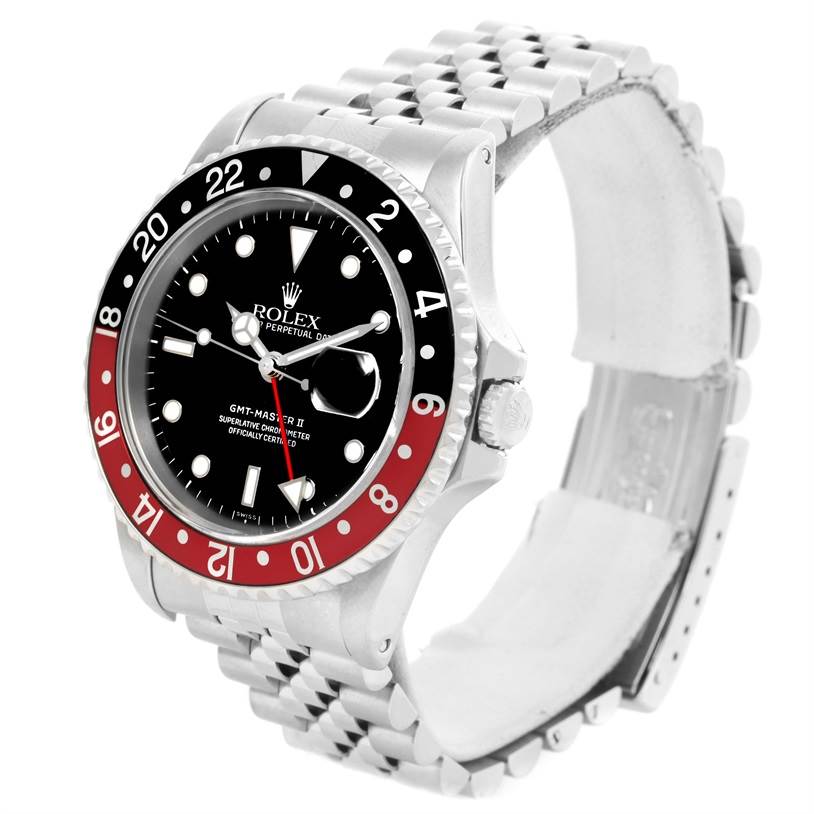
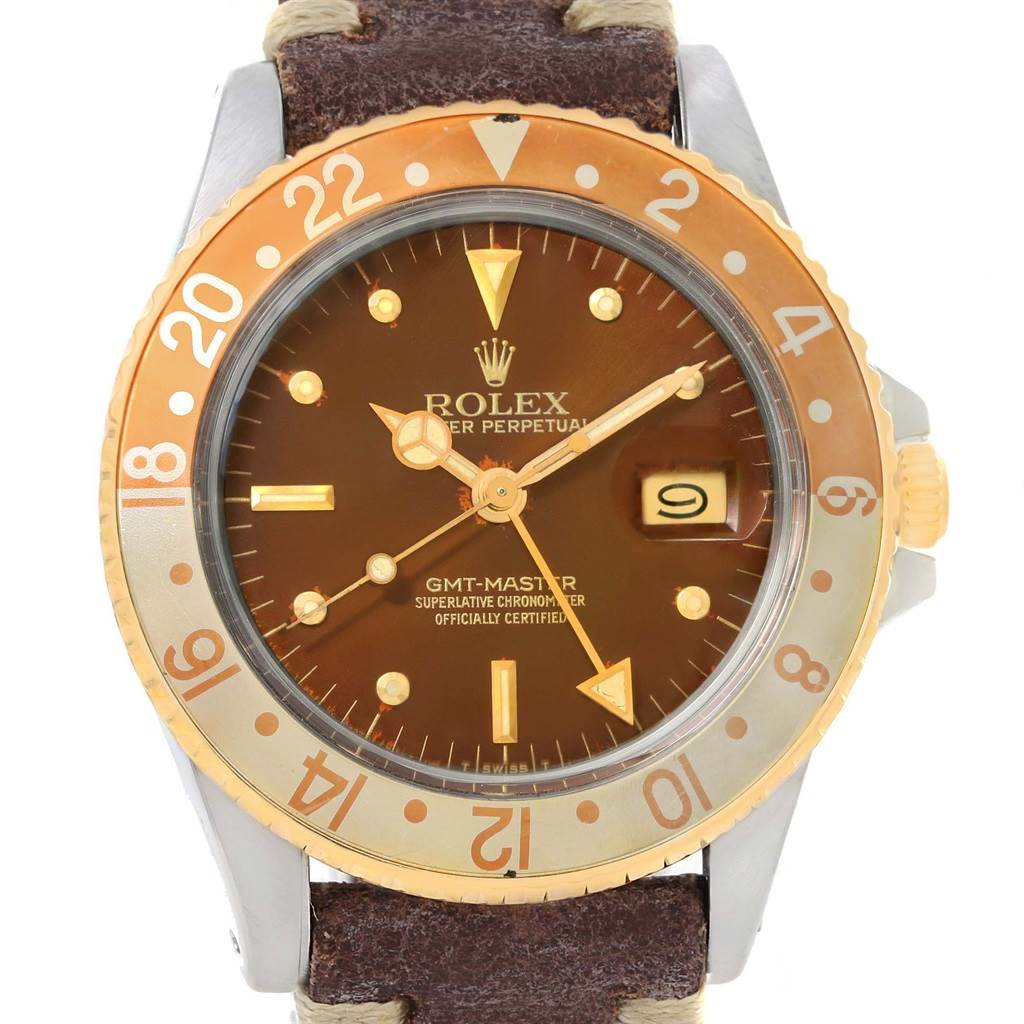
Rolex Pepsi GMT Master II: Icon of Patriotism
The iconic Rolex Pepsi, with its red and blue bezel, has been a cornerstone of the GMT Master collection since its inception in the 1950s. Featuring a distinct color scheme to differentiate between day and night hours, along with 24-hour graduations in white, it epitomizes patriotic fervor. The stainless steel variant of the Pepsi GMT Master II is particularly popular among enthusiasts.
While the original Pepsi bezel featured an aluminum insert for decades, Rolex transitioned to more durable ceramic, known as “Cerachrom,” around the mid-2000s. The return of the Pepsi bezel in ceramic on stainless steel models, marked by the Rolex 126710, signifies a triumphant moment for collectors. Equipped with modern advancements like Chromalight lume and the cal. 3285 dual-time movement, it exemplifies Rolex’s commitment to innovation and precision.
Breitling Navitimer: A Tribute to Aviation Heroes
The Breitling Navitimer holds a special connection to the military, particularly in its association with aviation. Introduced in 1952, its distinctive slide rule bezel facilitated essential calculations for pilots during flight, establishing it as an indispensable tool for aviation professionals. The watch’s sturdy construction and precise chronograph functions made it a trusted companion for military aviators navigating the skies.
On Memorial Day, the Breitling Navitimer assumes added significance as it celebrates aviation history and the valor of military pilots. This solemn occasion honors the bravery and sacrifices of all service members, including those who took to the skies in defense of their nation. Wearing the Navitimer on Memorial Day pays homage to these courageous individuals, commemorating their contributions to safeguarding freedom.
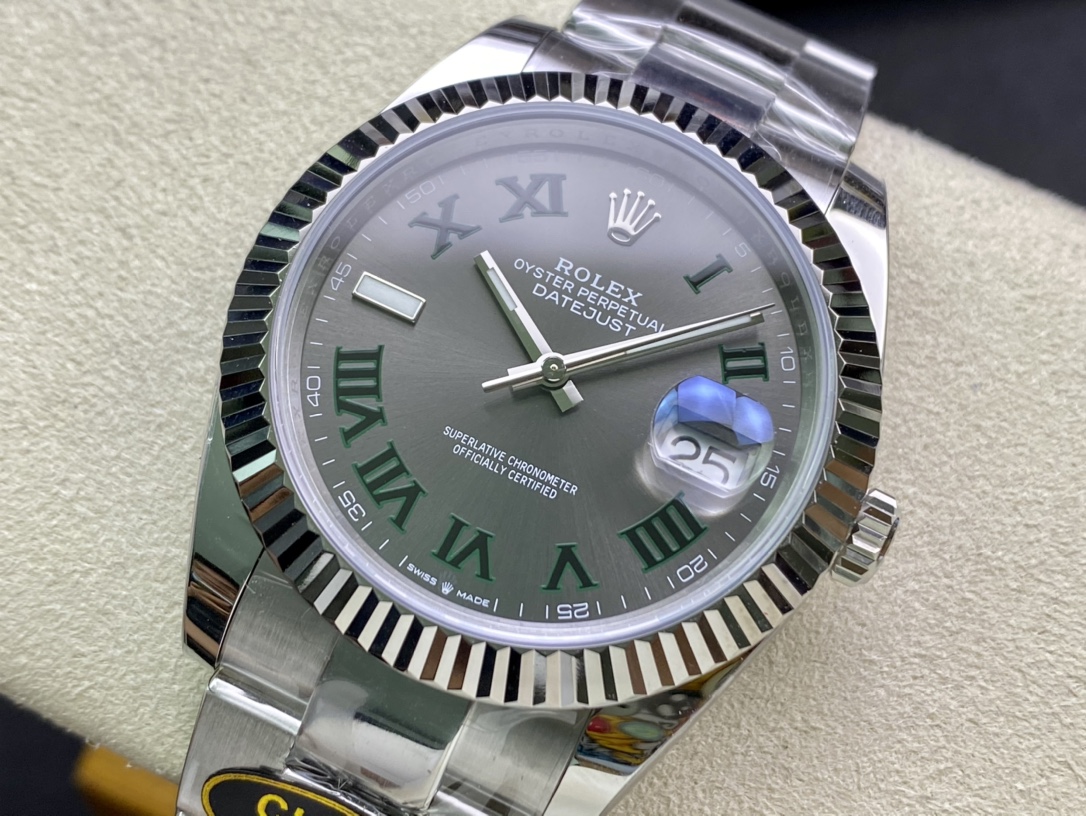
Rolex Datejust 41: A Timeless Tribute
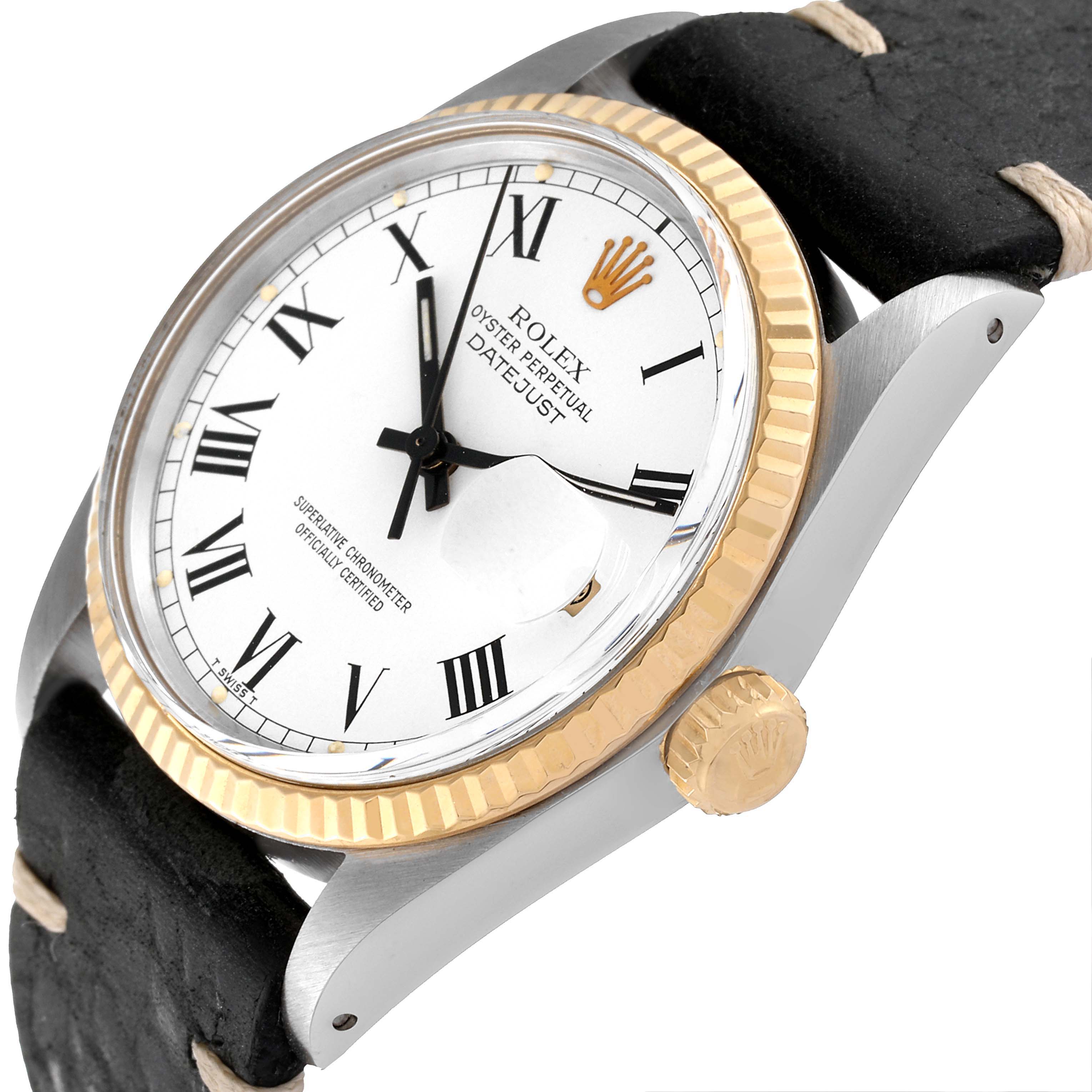
The Rolex Datejust 41 continues the legacy of larger Datejust watches, following the footsteps of the Datejust II introduced in 2009. With a refined design featuring tapered lugs, a thinner bezel, and a harmonious blend of Oystersteel and 18k white gold, the Rolex 126334 epitomizes elegance and sophistication.
As one of Rolex’s most sought-after offerings, the Datejust 41 comes in a myriad of design configurations, including bracelet options and dial variations. The white dial variant, adorned with contemporary Chromalight baton hour markers, exudes timeless appeal. Its classic proportions, coupled with the latest cal. 3230 movement, ensure exceptional accuracy and reliability, making it an irresistible choice for Memorial Day and beyond.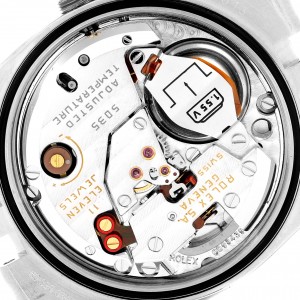
Breitling Avenger: Strength in Adversity
The Breitling Avenger is synonymous with military-grade durability and functionality, tailored to meet the exacting demands of aviation and tactical missions. Its reinforced case, high water resistance, and large, luminescent markers embody the resilience required for combat situations, earning the trust of pilots and special forces personnel alike.
On Memorial Day, the Breitling Avenger assumes a symbolic significance, reflecting the strength and fortitude of military personnel. This solemn occasion is a time to honor and remember those who have served and sacrificed for their country. The Avenger serves as a tribute to their unwavering commitment and dedication, symbolizing the enduring spirit of the armed forces.
Rolex Oyster Perpetual: Vibrant Expressions of Patriotism
Rolex introduces a fresh array of colorful lacquer dials to its Oyster Perpetual lineup, including hues like bright blue, green, yellow, and turquoise blue. The coral red dial option, available in various sizes including 36mm, 31mm, and the new 41mm models, adds a vibrant touch to the collection. Enhanced with Chromalight lume for optimal visibility, these watches exude modernity and style.
Among them, the replica Rolex 126000 stands out for its classic proportions and versatile appeal. Powered by the next-generation cal. 3230 movement, it offers unparalleled precision and reliability, complemented by Rolex’s signature antimagnetic Parachrom hairspring and Paraflex shock absorbers. With a 70-hour power reserve and exceptional craftsmanship, it embodies the pinnacle of patriotic elegance.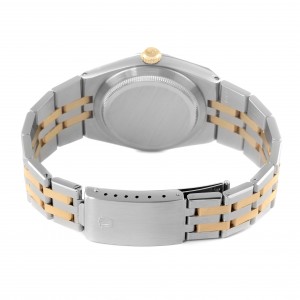
OMEGA Speedmaster: Journey to the Stars
The OMEGA Speedmaster, famously known as the “Moonwatch,” holds a storied connection to both military history and space exploration. Selected by NASA for manned space missions, its precision, durability, and reliability under extreme conditions made it an indispensable tool for astronauts, many of whom had military backgrounds.
On Memorial Day, the OMEGA Speedmaster pays homage to the bravery and achievements of military personnel, including those who ventured beyond Earth’s bounds. This solemn occasion commemorates the sacrifices and service of all service members, highlighting their courage and dedication. Wearing the Speedmaster on Memorial Day serves as a tribute to these heroes, celebrating their contributions to space exploration and their enduring legacy of service to their country.
With its unique heritage and symbolism, offers a poignant reminder of the values and sacrifices honored on Memorial Day. As we reflect on the courage and dedication of those who have served, may these watches serve as enduring tributes to their memory and legacy.